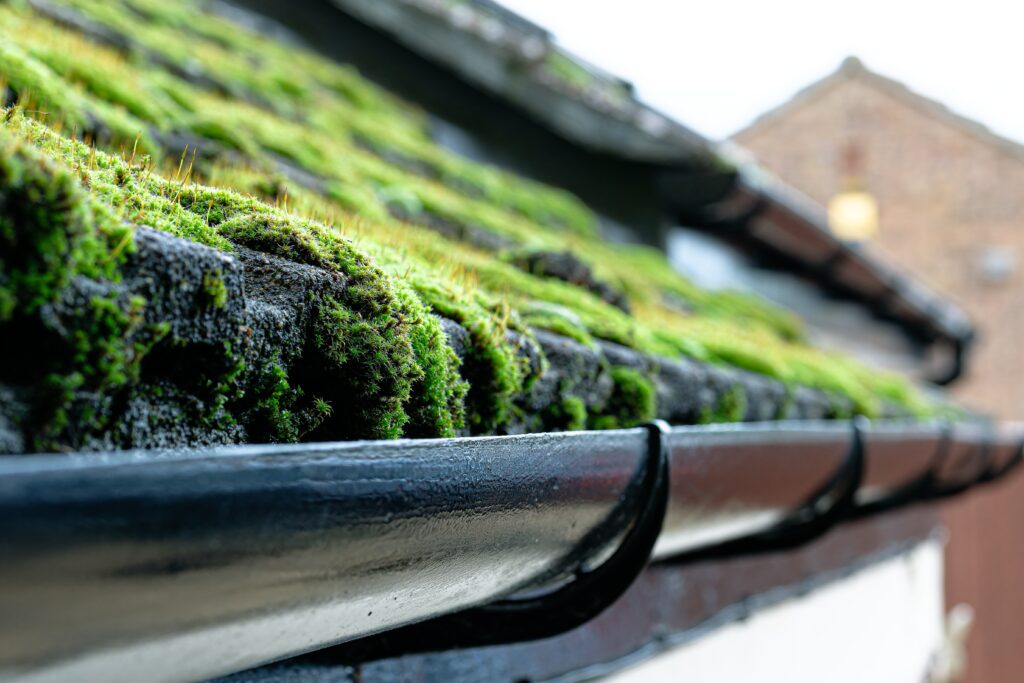
Moss and algae growth may seem like a cosmetic issue, but over time, it can compromise your roof’s performance and lifespan. For homeowners across Maryland and Northern Virginia, knowing how to protect your roof from moss and algae is essential, especially in humid, shaded environments where growth tends to thrive.
In this blog, we’ll break down why moss and algae are more than just an eyesore, what conditions allow them to grow, and how you can prevent future buildup with simple, effective roof maintenance practices.
Why Moss and Algae Are Bad for Your Roof
Algae and moss may start small, but their effects can be significant:
- Moss holds moisture against shingles, causing them to warp, curl, or break down over time. This can lead to roof leaks and costly water damage.
- Algae, especially the dark streaks commonly seen on asphalt shingles, can darken your roof and increase heat absorption, degrading its aesthetic and reducing energy efficiency.
- Both types of growth may reduce your home’s curb appeal and resale value if left untreated.
When ignored, the damage may require extensive roof repair or even full shingle replacement, especially in aging roofing systems.
Ideal Conditions for Moss and Algae Growth
Moss and algae tend to flourish in environments with high humidity and frequent rainfall. Roofs that receive limited sunlight, especially those with north-facing slopes, are particularly susceptible, as the shaded areas stay damp longer.
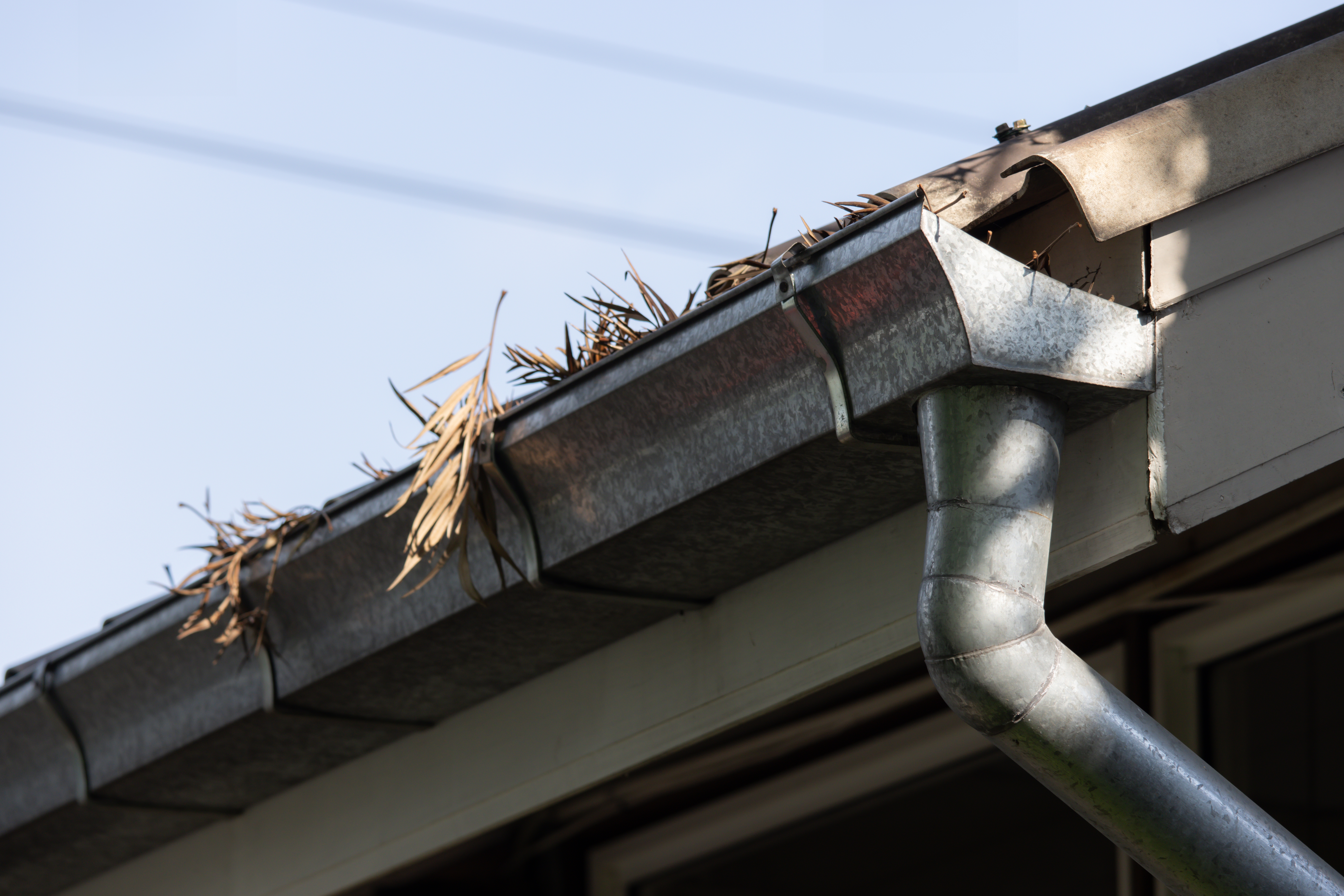
Debris buildup, such as leaves and branches, can trap moisture and create a perfect breeding ground for growth. Additionally, poor roof ventilation contributes to a damp environment that encourages moss and algae to spread. Homeowners in shaded or wooded communities like Baltimore County, Fairfax County, and similar regions are especially at risk for these issues.
Preventive Roof Maintenance Tips
To protect your roof from moss and algae, proactive roof care is key. Here are our top roof maintenance tips for Maryland and Virginia homes:
- Trim overhanging branches to reduce shade and prevent organic debris from accumulating on the roof.
- Clean gutters regularly to ensure proper drainage and reduce moisture on the roof surface.
- Install ridge vents or soffit vents to improve ventilation and prevent moisture buildup inside the attic.
- Schedule regular inspections with a trusted residential roofing services provider to catch early signs of growth.
Small adjustments to your property’s landscape and roofing system can go a long way in keeping your roof algae, and moss-free.
Cleaning Your Roof Safely and Effectively
If moss or algae have already taken hold, the best approach is careful, gentle cleaning, not harsh chemicals or pressure washers, which can do more harm than good. For homeowners in Virginia and Maryland, the safest method involves using a soft-bristle brush and working downward to avoid lifting or damaging shingles.
A 50:50 mix of water and household bleach can be applied with a pump sprayer and left to sit for 15 to 20 minutes before rinsing with low-pressure water. It’s important to avoid aggressive scrubbing or high-pressure washing, as these can strip away the protective granules on your shingles.
Safety is also critical. Wear slip-resistant shoes and consider fall protection gear, or better yet, leave it to the professionals. For larger areas or stubborn growth, calling a licensed contractor for roof moss removal is the best option. If the moss has already caused damage, targeted shingle repair may also be needed to restore the structure and integrity of your roof.
Installing Zinc or Copper Strips
Zinc or copper strips are a highly effective, long-term solution for roof algae prevention and moss control. Here’s how they work:
- When rainwater washes over the metal strips, it creates a residue that inhibits moss and algae growth.
- Strips are installed near the ridge cap of your roof and typically last for years.
- These are especially helpful for homes in damp, shaded areas such as Howard County or Arlington County.
While DIY installation is possible, professional installation ensures proper placement and maximum effectiveness.
When to Call a Roofing Professional
If moss or algae have already spread across your roof, or if your shingles show signs of wear or water damage, it’s time to call a roofing professional. Roofing Pups offers:
- Expert inspections and honest recommendations
- Safe, non-damaging cleaning methods
- Preventive solutions like metal strip installation
- Flexible financing options to make roof care more affordable
We proudly serve communities throughout Harford County, Anne Arundel County, and Alexandria County, helping homeowners maintain healthy, long-lasting roofs season after season.
Final Thoughts: Stay Ahead of the Growth
Understanding how to prevent moss on your roof and how to stop algae on roof surfaces is essential to preserving the integrity and appearance of your home. Through consistent maintenance, proper drainage, and smart upgrades, you can avoid costly repairs and extend your roof’s lifespan.
Need help staying ahead of the growth? Roofing Pups is here to help Maryland and Northern Virginia homeowners tackle roof issues before they turn into bigger problems. From preventative maintenance to expert repairs, our team is ready to keep your roof clean, strong, and built to last. Contact us today to schedule an inspection, get a free estimate, or learn more about your roof care options.
Frequently Asked Questions About Preventing Moss and Algae on Roofs
What causes moss and algae to grow on roofs?
Moss and algae grow in areas with consistent moisture, shade, and poor airflow. Organic debris, like leaves and branches, can also contribute to ideal growth conditions by holding water against the roof.
Is moss on my roof dangerous?
Yes, moss can damage your roof by retaining moisture that deteriorates shingles. Over time, this can lead to leaks, structural rot, and costly repairs if not addressed early.
Can I use bleach to remove moss or algae?
Yes, a diluted bleach solution (mixed with water) can be effective for removing moss or algae. However, it must be used with caution to avoid damaging shingles or harming nearby plants. Never use straight bleach or high-pressure washers.
Do zinc or copper strips really work?
Yes, zinc and copper strips are proven to reduce and prevent moss and algae growth. They release minerals when it rains that deter future growth, making them a reliable long-term solution.
How often should I inspect my roof for moss or algae?
We recommend inspecting your roof at least twice a year, typically in spring and fall. A quick visual check is also a good idea after major storms or periods of high humidity.